Happy World Environment Day Idea Social: Practical Design Solutions for a Greener Digital Presence
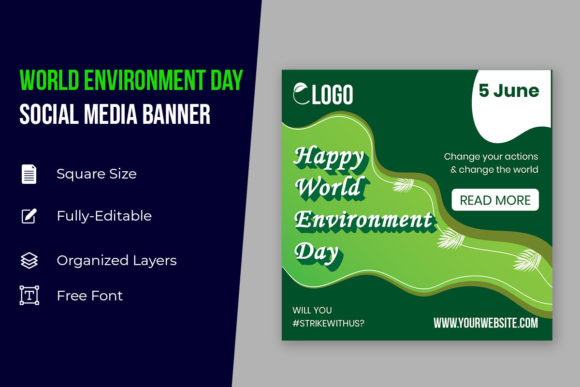
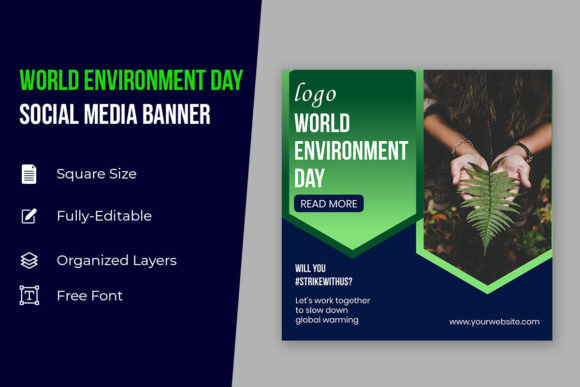
Every year on June 5th, the digital landscape undergoes a massive shift in color. Feeds that are usually cluttered with product launches, lifestyle updates, and corporate news suddenly turn various shades of green. This isn't just a trend; it is a global movement centered around World Environment Day. For content creators, small business owners, marketers, and educators, this date presents a unique opportunity to align their brand values with a cause that matters to everyone. However, the pressure to produce high-quality, visually appealing content on a tight deadline can be overwhelming. This is where a resource like the Happy World Environment Day Idea Social design kit becomes an invaluable asset, bridging the gap between good intentions and professional execution.
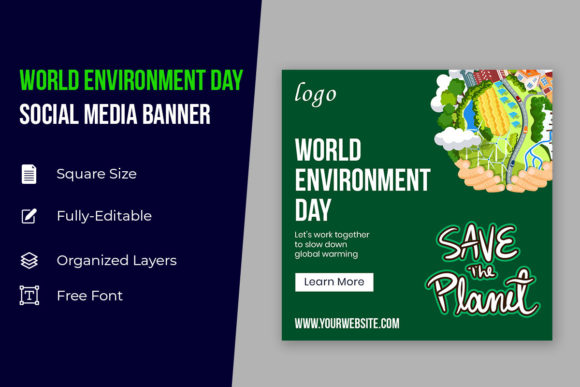
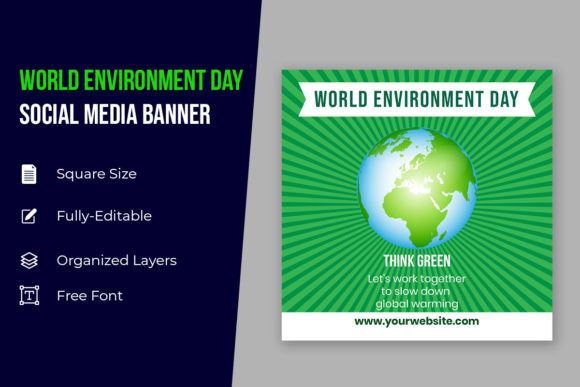
The concept behind this specific design collection is straightforward yet powerful. It provides a ready-to-use framework for communicating environmental awareness without needing to start from scratch. The core of the offering is a set of vector illustrations and backgrounds featuring the "Green Eco Earth" motif. These aren't just generic clip art; they are thoughtfully composed scenes designed to evoke a sense of care and responsibility toward our planet. Whether you are running a local bakery, managing a non-profit organization, or building a personal brand as a sustainability blogger, having access to polished visuals allows you to focus on your message rather than struggling with design software.
Real-World Applications for Diverse Users
The utility of these design files extends far beyond simply posting a pretty picture. Different users leverage these resources in distinct ways depending on their goals and audience. Let's look at how various professionals might integrate these tools into their workflow.
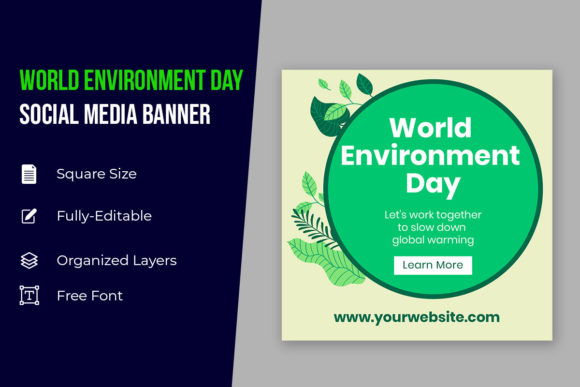
For small business owners, authenticity is key. A local coffee shop or an eco-friendly clothing boutique can use the World Environment Day card templates to announce a special promotion. Imagine a scenario where a store offers a discount to customers who bring their own reusable cups. Instead of scrambling to design a flyer an hour before opening, the owner can open the included PSD file, swap out the placeholder text with their specific offer, adjust the colors to match their brand palette using the editable Smart Objects, and have a professional-looking post ready in minutes. The 1080×1080 pixel size ensures it looks crisp on Instagram and Facebook, platforms where visual appeal directly influences customer engagement.
Educators and schools face a different challenge: capturing the attention of students while delivering an important lesson. Teachers can utilize the World Environment Day vector illustration elements to create engaging slides for classroom presentations or digital handouts. Because the files come in AI and EPS formats, the graphics are scalable without losing quality. A teacher could project the "Green Eco Earth" image on a smartboard, annotate it during a lesson about climate change, and then share a customized version of the card on the school's social media page to involve parents in the conversation. The layered nature of the files means educators can isolate specific elements—like trees, water, or wildlife—to create focused learning materials.
In the realm of digital marketing and freelancing, time is literally money. Freelance social media managers often juggle multiple clients across different industries. When June approaches, having a versatile template library allows them to service all their clients efficiently. They can take the base World Environment Day background, apply a corporate client's logo, tweak the typography to match brand guidelines, and deliver a campaign asset that feels bespoke. The fact that the design is created at 72 DPI in RGB color mode means it is optimized specifically for screens, ensuring fast loading times and vibrant colors on mobile devices where most users consume content.
Why Format Flexibility Matters
One of the most significant advantages of this particular design kit is the variety of file formats included: PSD, AI, EPS, PDF, along with information and help files. This diversity addresses the reality that not everyone uses the same software or possesses the same level of technical skill.
- PSD (Photoshop): Ideal for users who need pixel-perfect control over lighting, shadows, and texture. The inclusion of Smart Objects is a game-changer here. It allows users to double-click a layer, paste their own logo or photo, save it, and watch it automatically warp and fit into the design perfectly. This removes the intimidation factor for those who aren't expert graphic designers.
- AI and EPS (Vector): These files are essential for scalability. If a user wants to take the design from a social media post and print it on a large banner for a community cleanup event, vector files ensure the image remains sharp regardless of size. This dual-purpose capability makes the download suitable for both digital and physical campaigns.
- PDF: Often overlooked, the PDF version is perfect for quick previews or for users who only need to view the layout before sending it to a printer or a colleague who doesn't have design software installed.
The "Full Editable" feature mentioned in the specs is not just a buzzword; it translates to creative freedom. Users are not locked into a rigid structure. If a blogger prefers a minimalist aesthetic, they can hide certain decorative layers. If an activist group wants a bold, loud statement, they can increase the saturation of the greens and enlarge the typography. This adaptability ensures that the final output feels unique to the user, avoiding the "cookie-cutter" look that often plagues stock template usage.
Strategic Considerations Before Downloading
While the benefits are clear, there are practical factors users should consider before integrating these assets into their strategy. First, assess your technical comfort level. While the files are designed to be user-friendly, having a basic understanding of layers and masking in Photoshop or Illustrator will help you get the most out of the customization options. If you are completely new to these programs, the included "Help File" becomes your best friend, guiding you through the editing process.
Secondly, think about your brand voice. The "Green Eco Earth" concept is universally positive, but the way you frame your message matters. Are you celebrating progress, calling for urgent action, or educating your audience? The visual provides the hook, but your caption and the specific text you overlay on the design must align with your overall communication strategy. Avoid generic statements like "Save the Planet" without context. Instead, use the visual to support a specific call to action, such as "Join us this Saturday for a park cleanup" or "Learn how our packaging is now 100% biodegradable."
It is also worth noting the resolution specifics. The design is set at 72 DPI, which is the standard for web and social media. This is perfect for Instagram, LinkedIn, Twitter, and Facebook. However, if your plan involves high-resolution print media like magazines or large-format outdoor billboards, you may need to work with the vector (AI/EPS) files and export them at a higher DPI setting within your design software. Understanding this distinction prevents disappointment if you intend to use the assets for mixed-media campaigns.
Maximizing Impact Through Consistency
Using a high-quality template like the Happy World Environment Day Idea Social kit is just the first step. To truly increase the attractiveness of your visitors and deepen engagement, consistency is vital. Don't let the green theme disappear on June 6th. Use the momentum generated by these posts to introduce longer-term initiatives. For instance, a business could use the World Environment Day post to launch a month-long "Green Challenge," using the same visual style to maintain brand recognition throughout the campaign.
Furthermore, these designs serve as a signal of values. In an era where consumers, especially those aged 20–50, are increasingly conscious of corporate social responsibility, showing that you care about the environment builds trust. A well-designed, thoughtful post demonstrates professionalism and attention to detail. It suggests that if you care enough to present a polished message about the environment, you likely care equally about the quality of your products or services.
Ultimately, the goal of utilizing resources like this is to lower the barrier to entry for meaningful communication. By handling the heavy lifting of composition, color theory, and technical formatting, these files empower you to tell your story effectively. Whether you are a solo entrepreneur looking to connect with your community or a marketing team coordinating a global campaign, having reliable, editable, and aesthetically pleasing tools at your disposal allows you to focus on what really counts: inspiring action and fostering a sustainable future.