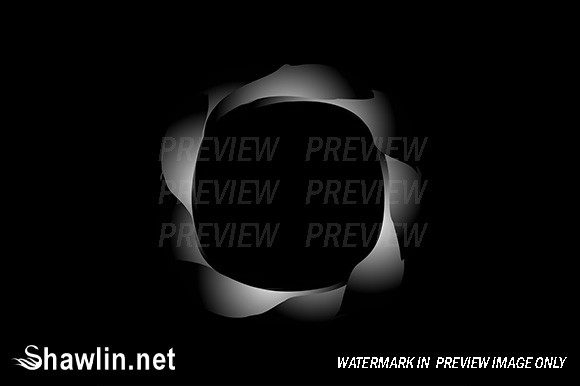
Why Circular Design Elements Are Essential for Modern Web Projects
In the fast-paced world of web design, trends come and go with alarming speed, but certain foundational shapes remain timeless. Among these, the circle stands out as a versatile tool that bridges the gap between rigid structure and organic flow. When you integrate a Circular Design Element for Web into your projects, you are not just adding a shape; you are introducing a visual language that suggests unity, continuity, and focus. Whether you are a seasoned graphic designer, a small business owner managing your own site, or a marketer trying to capture attention in a crowded feed, understanding how to leverage these elements can transform a flat layout into something dynamic and engaging.
The appeal of circular motifs lies in their psychological impact. Unlike squares and rectangles, which dominate our screens and physical environments through windows, doors, and devices, circles feel natural and soft. They guide the eye inward, creating a focal point that demands attention without feeling aggressive. This is why you see them everywhere from loading spinners to profile avatars and call-to-action buttons. However, using pre-made vector assets takes this utility to the next level. Instead of spending hours drawing perfect curves or worrying about alignment, having a high-quality pack allows you to drop professional-grade geometry directly into your workflow.
Real-World Applications Across Different Industries
The beauty of having a reliable set of circular illustrations is their adaptability. You aren't limited to one specific niche. Let's look at how different professionals might actually use these files in their daily work.
For freelance web designers, time is money. When a client asks for a modern landing page that feels "fresh" but doesn't have a massive budget for custom illustration, a zip file containing vector EPS files becomes a lifesaver. You can import these elements into Adobe Illustrator or Affinity Designer, recolor them to match the brand palette instantly, and arrange them to create background patterns or section dividers. Because the files are vectors, you can scale them up for a massive hero banner or down for a mobile icon without losing a single pixel of quality. This flexibility ensures that the final website looks crisp on everything from a 4K desktop monitor to an older smartphone screen.
Marketers and social media managers also find immense value here. Social platforms favor circular crops for profile pictures and story highlights. By using design elements that already embrace this shape, you create a cohesive visual identity that translates seamlessly from your website to your Instagram or LinkedIn presence. Imagine creating a series of promotional graphics where key data points or testimonials are housed within these circular frames. It creates a sense of order and makes complex information digestible at a glance. The high-resolution JPGs included in such packs are perfect for quick uploads to content management systems when you don't need to edit the vector paths but still need sharp imagery.
Educators and e-learning creators often struggle to make dry material visually stimulating. Circular design elements can break up long blocks of text in online courses. They work wonderfully as containers for step-by-step processes, suggesting a cycle of learning or a continuous journey. For instance, a module explaining a feedback loop could use these elements to visually connect each stage, reinforcing the concept of continuity. Since these assets usually come without watermarks in the final download, they can be used in paid courses or commercial educational materials without legal worries or distracting overlays ruining the student experience.
Technical Advantages: Why Vector EPS Matters
One of the most critical aspects of choosing the right asset pack is the file format. You will often find that premium resources include Vector EPS files. This is not just a technical detail; it is a practical necessity for professional work. EPS (Encapsulated PostScript) is a legacy format that maintains incredible compatibility. Even if you are running older versions of design software—perhaps you are working on a studio computer that hasn't been updated in years or you prefer the stability of an older suite—you can still open and edit these files. This backward compatibility ensures that no creator is locked out due to software versioning issues.
Furthermore, the inclusion of high-resolution JPGs zipped together offers a dual-layer of convenience. Sometimes, you or your client just needs a quick image to drop into a PowerPoint presentation, a blog post, or a mockup. You don't always have the time or the need to fire up a vector editor. Having the rasterized, high-res version ready to go means you can maintain momentum in your project. It eliminates the friction of converting files yourself, allowing you to focus on the creative strategy rather than file management.
What to Consider Before Downloading and Using
While the benefits are clear, there are a few practical things to keep in mind before you commit to using a specific pack of circular elements. First, consider the context of your project. Circles are powerful, but overusing them can make a layout feel floaty or lack structure. The best approach is to use them as accents to balance out the grid-based nature of web layouts. Use them to highlight key information, frame images, or create rhythm in a scrolling experience.
Secondly, think about customization. A generic circle is fine, but a circle that matches your brand's specific tone is better. Ensure the asset pack you choose allows for easy color manipulation. Since these are vectors, you should be able to change strokes, fills, and gradients effortlessly. If the elements are too complex or grouped in a way that makes editing difficult, they might end up gathering dust in your folder. Look for files that are organized logically, with layers named appropriately, so you can dive straight into design mode.
It is also worth noting the licensing and usage rights. Professional packs typically come with a clear understanding that the watermark seen on preview images is removed upon purchase. This distinction is vital for commercial use. You never want to launch a client's website only to realize a subtle watermark is visible in the print version or on high-DPI screens. Always verify that the download includes the clean, watermark-free versions for both vector and raster formats.
Tailoring the Design to Your Audience
Different audiences respond to design cues in different ways. A tech startup might use sharp, thin-line circular elements to convey precision and innovation. In contrast, a wellness brand or a bakery might opt for thicker, softer, or hand-drawn style circles to evoke warmth and approachability. The versatility of a good Circular Design Element for Web pack lies in its ability to be styled in multiple ways. By adjusting the weight of the lines, the opacity, or the color saturation, you can pivot the same set of assets to suit vastly different brand personalities.
For hobbyists and bloggers, these elements offer a way to elevate content without needing a degree in graphic design. Adding a simple circular background behind a quote or using a ring to frame a product photo can make a blog post look professionally curated. It signals to the reader that care was taken in the presentation, which builds trust and encourages them to stay on the page longer.
If you find yourself in a situation where the standard elements don't quite fit your unique vision, remember that customization is key. Many creators who provide these resources are open to collaboration. If you have a specific requirement—perhaps a variation in size, a specific pattern inside the circle, or a custom color scheme—it is often worth reaching out. Utilizing the contact form on the creator's website to ask for custom requests can lead to a tailored solution that perfectly aligns with your project goals. This level of support turns a simple transaction into a partnership, ensuring you get exactly what you need to succeed.
Ultimately, integrating circular design elements is about enhancing communication. It is a subtle yet effective way to guide user behavior, organize information, and inject personality into digital spaces. Whether you are building a corporate portal, a personal portfolio, or an educational platform, these tools provide the structural elegance needed to make your content shine. By choosing high-quality, compatible, and versatile assets, you equip yourself with the resources necessary to create compelling visual experiences that resonate with users across all devices and demographics.