Understanding Fear Not: A Creative Tool for Modern Professionals
In today’s fast-paced digital landscape, professionals across industries are constantly seeking tools that streamline their workflows, enhance creativity, and support innovation. One such tool that has gained attention is Fear Not. While the name might seem unconventional, it represents a powerful approach to design, development, and content creation. This article explores what Fear Not is, how it aligns with current industry trends, and why it's becoming an essential part of many creators’ and entrepreneurs’ toolkits.
What is Fear Not?
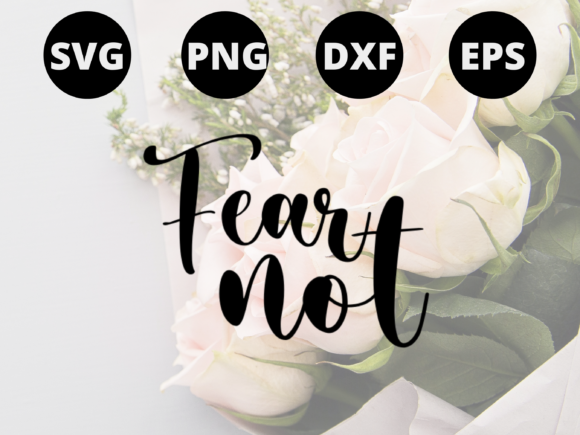
Fear Not is not a single product or software but rather a mindset and a set of resources designed to empower individuals to create without hesitation. It encompasses a variety of file formats, including SVG, PNG, DXF, and EPS, which are commonly used in graphic design, digital illustration, and 3D modeling. These files serve as foundational elements for artists, designers, and developers looking to integrate high-quality assets into their projects quickly and efficiently.
The concept of Fear Not encourages users to embrace experimentation, reduce the fear of failure, and focus on the creative process rather than perfection. By providing access to versatile and scalable file types, it supports a wide range of applications—from web design to print media, from branding to product development.
How Fear Not Fits Into Broader Industry Trends
The rise of Fear Not reflects broader shifts in the creative and tech industries. As businesses increasingly rely on visual content to engage audiences, the demand for high-quality, adaptable design assets has never been higher. The integration of SVG files, for instance, allows for responsive and scalable graphics that work seamlessly across devices, making them ideal for modern web and app design.
Moreover, the adoption of DXF and EPS files highlights a growing need for precision and flexibility in design workflows. These formats are particularly valuable in fields like architecture, engineering, and manufacturing, where accuracy and scalability are critical. By offering these file types, Fear Not caters to both digital and physical design needs, bridging the gap between online and offline creative processes.
Additionally, the trend toward remote collaboration and freelance work has made accessible and shareable design assets more important than ever. PNG files, with their transparent backgrounds, are widely used in branding, marketing, and social media, allowing creatives to easily customize and adapt visuals for different platforms.
Why People Are Paying Attention to Fear Not
As the creative industry evolves, so do the expectations of professionals and consumers alike. The ability to produce high-quality, professional-grade content quickly and efficiently is no longer a luxury—it’s a necessity. Fear Not addresses this need by offering a suite of design resources that are both functional and aesthetically pleasing.
For entrepreneurs and freelancers, time is often the most valuable asset. By using pre-designed SVG or PNG files, they can save hours of work while maintaining a polished and cohesive brand identity. This efficiency is especially beneficial for small businesses and startups that may lack the resources for custom design work.
Furthermore, Fear Not resonates with a new generation of creators who value accessibility and inclusivity. By providing ready-to-use design elements, it lowers the barrier to entry for those who may not have advanced design skills but still want to produce visually compelling content. This democratization of design is a key driver behind its growing popularity.
Changing Needs and Preferences in the Creative World
The creative industry is undergoing a significant transformation, driven by technological advancements and shifting consumer behaviors. Today’s professionals are no longer limited to traditional design tools—they are leveraging digital assets, automation, and AI-driven solutions to enhance their workflow.
Fear Not aligns with this shift by offering a flexible and adaptable approach to design. For example, DXF files are often used in CNC machining and 3D printing, enabling designers to translate digital concepts into physical products with ease. Similarly, EPS files provide vector-based scalability, making them ideal for large-format printing and logo design.
Another factor contributing to the relevance of Fear Not is the increasing emphasis on user experience (UX) and user interface (UI) design. With SVG files, designers can create interactive and responsive graphics that enhance the overall user experience. This is particularly important in web development, where performance and accessibility are top priorities.
Moreover, the rise of remote work and distributed teams has created a demand for tools that facilitate collaboration and communication. Fear Not supports this by providing standardized file formats that can be easily shared, edited, and integrated into various design platforms. This level of compatibility ensures that team members can work together seamlessly, regardless of their location or technical expertise.
Practical Examples and Observations
Consider a digital marketer tasked with creating a campaign for a new product. Instead of spending hours designing graphics from scratch, they can use PNG files with transparent backgrounds to quickly assemble promotional materials. This not only saves time but also ensures consistency across different channels, such as social media, email newsletters, and website banners.
Similarly, a freelance illustrator working on a branding project might utilize SVG files to create scalable logos that look sharp on any device. This adaptability is crucial in today’s multi-platform world, where brands must maintain a strong visual presence across desktops, mobile phones, and even smartwatches.
In the realm of product design, DXF and EPS files play a vital role in prototyping and manufacturing. A designer can use these formats to communicate precise measurements and specifications to manufacturers, reducing the risk of errors and ensuring that the final product meets the desired standards.
Connecting Fear Not to Larger Developments
The success of Fear Not is closely tied to larger developments in the creative and tech industries. As more companies adopt agile methodologies and lean startup principles, the need for rapid prototyping and iteration has become more pronounced. Fear Not supports this by providing a foundation of reusable design elements that can be customized and adapted as needed.
Additionally, the growing interest in sustainability and eco-friendly practices has influenced the way designers approach their work. Fear Not contributes to this movement by promoting the reuse and repurposing of design assets, reducing waste, and encouraging a more efficient use of resources.
Looking ahead, the continued integration of AI and machine learning in design tools will likely shape the future of Fear Not. As these technologies evolve, they may offer even more advanced capabilities, such as automated design suggestions, intelligent asset management, and real-time collaboration features. This could further enhance the value of Fear Not for professionals seeking to stay ahead of the curve.
Conclusion
Fear Not represents more than just a collection of file formats—it embodies a mindset that empowers creators to innovate, collaborate, and adapt in an ever-changing industry. By providing access to SVG, PNG, DXF, and EPS files, it offers a practical solution for professionals across multiple disciplines. Whether you're a designer, developer, entrepreneur, or marketer, Fear Not can help you streamline your workflow, enhance your creativity, and stay competitive in today’s dynamic market.