Transform Your Visual Brand with a Professional Social Media Sports Template
In the fast-paced world of sports marketing, first impressions are often made in a fraction of a second. Whether you are managing a local team's account, running a sports blog, or promoting athletic apparel, your visual identity speaks volumes before a fan even reads your caption. This is where a high-quality Social Media Sports Template becomes an indispensable asset. These resources are designed to elevate your presence on Twitter, Instagram, and Facebook, turning amateur graphics into professional-grade content that commands attention. However, simply downloading a file is not enough. To truly change your visual brand, you must understand how to select, edit, and implement these tools correctly.
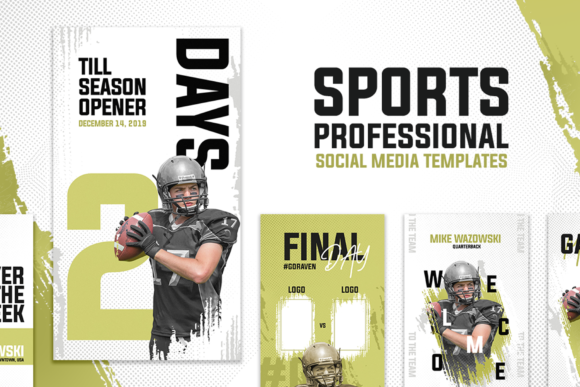
The appeal of using a dedicated template lies in consistency and efficiency. When fans scroll through their feeds, they should instantly recognize your posts by their style, color palette, and layout. A well-crafted template provides this framework, allowing you to focus on the message rather than struggling with design fundamentals. The specific templates we are discussing today offer a modern, creative aesthetic that is fully editable. They come as high-resolution PSD files, meaning they are built for Adobe Photoshop. This format offers unparalleled control over every element of your design, from text effects to image masking.
The Critical Prerequisite: Mastering Your Tools
Before diving into the exciting process of customizing your new graphics, there is a crucial warning that many beginners overlook. You must have Adobe Photoshop installed and possess basic editing skills before attempting to use these templates. This is not a limitation meant to discourage you, but a necessary reality check to ensure you get the results you pay for. These templates are 100% available in PSD format because this file type retains layers, smart objects, and advanced styling that simpler apps cannot handle.
A common mistake is purchasing or downloading complex PSD templates expecting to edit them in free, web-based viewers or mobile apps that do not support layer structures. When users attempt this, they often find themselves unable to change text, move images, or access the specific guides included in the package. This leads to frustration and a wasted investment. The solution is straightforward: ensure you have access to Photoshop. If you are new to the software, take a few hours to watch introductory tutorials on layers, masks, and text tools. This small upfront investment in learning will unlock the full potential of the template, allowing you to create beautiful mockups for desktop, tablet, and mobile views effortlessly.
Navigating Common Pitfalls in Template Customization
Even with the right software, several misunderstandings can hinder the quality of your final output. One frequent error involves ignoring the pixel-perfect image guides included in the download. These guides are not decorative; they are essential roadmaps showing you exactly where to place logos, player photos, and statistics to maintain balance and readability. Disregarding these guides often results in cluttered designs where text overlaps critical parts of an image or where the hierarchy of information is lost. Always refer to the guide text provided in the folder to understand the intended flow of the design.
Another area where creators stumble is layer management. These templates feature meticulously organized and labeled layers. It is tempting to start renaming or grouping things immediately to suit your own logic, but this can lead to broken links between smart objects and their effects. A better approach is to work within the existing structure first. Locate the specific folders labeled for images or text, make your changes, and then save. Only reorganize layers once you are comfortable with how the template functions. This preserves the integrity of the design effects, such as drop shadows, glows, or gradients, which are often tied to specific layer groups.
Furthermore, many users fail to utilize the preview PNG files effectively. Before you even open Photoshop, review the preview images to understand the versatility of the pack. Sometimes, a template looks perfect for Instagram but needs slight cropping adjustments for Twitter's different aspect ratios. By studying the previews, you can plan your content calendar more efficiently, knowing exactly which variations work best for each platform without having to guess during the editing process.
Maximizing Quality and Efficiency
The true value of a professional Sports Social Media Template is realized when it streamlines your workflow while enhancing quality. High-resolution PSD files ensure that your graphics look crisp on retina displays and large screens alike. When you skip professional templates in favor of quick, low-resolution generators, you risk pixelation and a lack of brand cohesion. Over time, this inconsistency can dilute your brand authority, making your organization appear less established than it actually is.
To avoid this, treat your template as a living part of your brand strategy. Customize the colors to match your team or business identity precisely. Do not just accept the default demo colors unless they happen to align perfectly with your brand. The ability to fully customize text and images means you can adapt the template for game day announcements, player spotlights, score updates, or promotional sales. The key is consistency. Use the same font weights, border styles, and graphic elements across all your posts. This repetition builds recognition.
Consider the impact on your audience's experience. When a fan sees a polished, professional graphic on their mobile device, it signals that you care about quality. It encourages engagement and sharing. Conversely, a poorly edited template with cut-off text or low-quality images can deter interaction. By taking the time to learn the software and respect the template's structure, you ensure that every post contributes positively to your reputation.
- Check Compatibility: Verify you have the correct version of Photoshop before starting to avoid file corruption.
- Respect the Guides: Use the included pixel-perfect guides to maintain visual balance and readability.
- Preserve Layers: Keep the labeled layers intact to ensure effects and smart objects function correctly.
- Review Previews: Study the included preview PNGs to plan your content strategy across different platforms.
- Customize Thoughtfully: Adjust colors and fonts to align strictly with your brand identity rather than sticking to defaults.
Making the Right Choice for Your Brand
When evaluating whether to invest in a specific template pack, look beyond the surface aesthetics. Check if the package includes a comprehensive folder structure with all necessary assets like guide text and preview files. A complete package indicates a creator who cares about the user experience. Ensure the templates are versatile enough to cover various content types you plan to produce. If a template only works for one specific type of post, its long-term value diminishes quickly.
Remember, the goal is to create a professional look that scales with your growth. As your audience expands, your visual standards must rise to meet them. Utilizing a robust, editable PSD template allows you to maintain high standards without needing to hire a designer for every single post. It empowers you, the creator or marketer, to produce agency-level work from your own desk. By avoiding the common pitfalls of software incompatibility and poor layer management, you set yourself up for success. Embrace the learning curve, respect the design tools, and watch as your social media presence transforms into a cohesive, professional brand that resonates with sports fans everywhere.